
Dental Implants
A dental implant substitutes the root you lost—not merely the crown you see smiling. Titanium or ceramic fixtures integrate gradually with jawbone through a process termed osseointegration; once matured, connectors (abutments) uphold individual crowns, multi-unit bridges, or strategically angled full-arch hybrids.
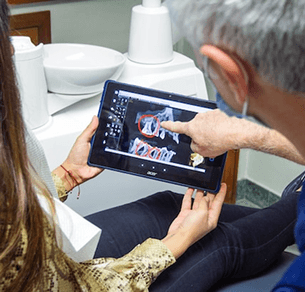
Success begins with volumetric diagnostics. Cone-beam scans evaluate ridge height and width alongside proximity to sinus floors or inferior alveolar nerves. Mild deficiency often resolves via guided augmentation or sinus elevation timed before or alongside placement. Smoking status, unmanaged diabetes, and certain osteoporosis medications elevate risk—we discuss tailoring candidacy transparently rather than guaranteeing outcomes.
Computer-guided surgeries reduce exploratory tissue reflection by referencing digital wax-ups merged to scan data when intricate angulation emerges. Immediate provisional teeth exist for select arches with adequate primary stability though most patients interimize with discreet removable transitions while integration finishes.
Maintenance parallels natural teeth albeit with nuanced instruments: slender brushes access threads around abutments; professional recall intervals monitor peri-implant tissues for inflammation before bone loss manifests silently. Occlusal overload from unbalanced bites receives adjustment proactively.
Investment conversations include longevity assumptions, warranty caveats tied to adherence, and how implants influence nutrition when molars vanished. Pearl stages financing-friendly phases when sinus lifts or grafts precede definitive prosthetics—you always know sequencing before signing consent.